Why Shockproof Covers Are Essential for Modern Glass Phones

Your phone slips from your hand. That split second before it hits the ground feels like an eternity. Will the screen survive? If you're using a shockproof cover, you can breathe easier. If not, you might be looking at a repair bill that costs anywhere from ₹3,000 to ₹15,000.
Glass phones have become the standard across every price range in India. Whether you're buying a ₹15,000 smartphone or a flagship costing over ₹1 lakh, manufacturers chase that premium feel with seamless glass designs. It looks stunning in advertisements and showrooms. But in daily life—navigating crowded streets, monsoon rains, and packed metro commutes—that's where reality sets in. The same materials that make phones feel luxurious also make them incredibly fragile.
The Hidden Vulnerability of Modern Smartphone Design
Phones today are thinner than ever. Popular models like the Samsung Galaxy S24, Vivo V30, and OnePlus 12 sport sleek profiles that barely exceed 8mm in thickness. Engineers have pushed boundaries to create devices that feel almost impossibly light. This comes at a cost.
The glass used in smartphones has improved dramatically. Gorilla Glass Victus, Ceramic Shield, and similar technologies can withstand impressive amounts of pressure when force is applied evenly across the surface. Drop that same phone from waist height onto a marble floor or concrete footpath, though, and the impact concentrates on a single point. Physics doesn't care about marketing claims.
What most people don't realize is that modern phones have glass on both sides:
Front screen damage is immediately visible and affects usability
Back glass cracks compromise structural integrity and aesthetics
Repair costs for back panels often exceed front screen replacements
Resale value plummets with any visible glass damage—crucial in India's thriving second-hand market
Some flagship phones have back glass repairs that cost nearly as much as the device itself, with authorized service centers charging premium rates.
How Shockproof Covers Actually Work
The term "shockproof" gets thrown around loosely. Not all protective cases deliver the same level of protection. Understanding what makes a cover truly shock-resistant helps you make better decisions.
Genuine shockproof covers use multiple layers of protection. The outer shell, typically made from polycarbonate or TPU (thermoplastic polyurethane), provides rigid structure. Inside, a softer material absorbs impact energy. Think of it like a crumple zone in a car—it's designed to deform and dissipate force rather than transfer it directly to your phone.
Air cushion technology takes this further. Many quality covers include raised corners with air pockets that compress during impact. When your phone hits the ground, these corners hit first and absorb the shock before it reaches the device itself. The difference between a phone with and without this protection can be measured in hundreds of dollars.
The Science Behind Impact Absorption
Drop a phone without protection and the kinetic energy transfers directly into the glass. Glass is rigid, so instead of flexing, it cracks. A shockproof cover introduces a buffer that converts that energy into heat and temporary deformation. The cover might show wear, but your phone stays intact.
Military-grade certifications (like MIL-STD-810G) mean the case has been drop-tested from specific heights multiple times. These aren't arbitrary standards—they simulate real-world accidents. A certified case has proven it can handle:
Multiple drops from 1.2 meters (approximately 4 feet)
Various impact angles including corner, edge, and flat drops
Different surface types from concrete to tile to asphalt
Temperature extremes that might affect material performance
Real-World Scenarios Where Protection Matters
You're juggling grocery bags from the local kirana store and your phone. It slips. Or you're clicking a photo at a wedding and someone bumps into you in the crowd. Maybe you're rushing to catch an auto and your phone slides off the seat. These aren't careless mistakes—they're everyday Indian life.
Different lifestyles face different risk levels:
Two-wheeler riders face vibration, sudden braking, and bumpy roads
Students and working professionals navigate crowded metros, buses, and local trains
Parents with young children deal with curious hands and sudden grabs
Delivery and field workers are constantly on the move in challenging conditions
College students juggle phones between classes, canteens, and libraries
Statistics show the average person drops their phone at least once every two months. Over a two-year ownership period, that's a dozen opportunities for damage—and in Indian cities where footpaths often have uneven surfaces, the risk multiplies.
Weather conditions create additional challenges. The intense summer heat can weaken phone adhesives. Monsoon humidity seeps into cracks. Winter dryness makes glass more brittle. A shockproof cover provides consistent protection through India's extreme seasonal variations.
Choosing Protection Without Sacrificing Style
The old stereotype about protective cases being bulky and ugly doesn't hold up anymore. Modern shockproof covers come in slim profiles that add minimal bulk while maximizing protection. Clear options let your phone's original design show through—important when you've invested in a phone partly for its looks.
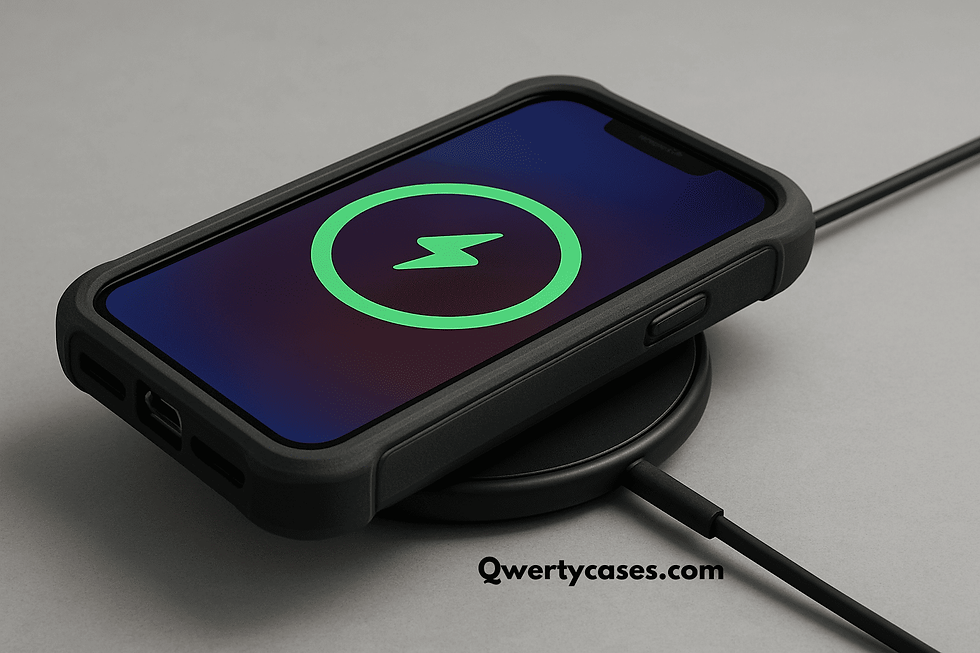
For popular models across all price segments, specialized covers are designed to fit precisely while maintaining full access to ports, buttons, and cameras. Whether you own a Xiaomi, Realme, Samsung, or premium devices like Oppo, you'll find options tailored to your model. For instance, oppo f31 back covers are designed specifically to protect the device's camera module and curved edges, which are particularly vulnerable to impact damage. These specialized covers ensure wireless charging compatibility—something cheaper alternatives often interfere with.
Indian buyers have embraced variety. You can find shockproof cases in:
Carbon fiber patterns for a sporty, masculine look
Leather-textured finishes for professional settings
Transparent cases that showcase your phone's original color
Matte finishes that resist fingerprints in humid weather
Designs with built-in kickstands perfect for streaming content
The key is finding a balance between features you'll actually use and protection you genuinely need. Many cases now include card slots—handy when you want to carry your metro card or a few notes without a separate wallet.
The Economics of Prevention
Screen repairs in India vary dramatically based on your phone model and where you get it fixed. Authorized service centers charge premium rates, while local repair shops offer cheaper alternatives that might compromise quality.
Let's break down the typical cost comparison:
Budget phone screen repair: ₹2,000-4,000
Mid-range phone screen repair: ₹4,000-8,000
Flagship phone screen repair: ₹8,000-15,000
Back glass replacement: ₹5,000-12,000
Quality shockproof cover: ₹300-1,200
A quality shockproof cover costs between ₹300 and ₹1,200. Even premium options with advanced protection features rarely exceed ₹1,500. The math is straightforward: preventing a single drop pays for the case many times over.
Insurance and protection plans sound appealing until you examine the details. Extended warranties from retailers or manufacturers often have high claim deductibles and exclude accidental damage. Third-party insurance requires monthly premiums that add up over time. A shockproof cover works immediately, doesn't require filing claims, and has no recurring costs.
Consider the resale value factor too. India's second-hand smartphone market is massive, with platforms like OLX, Quikr, and Facebook Marketplace seeing millions of transactions. A phone in pristine condition can retain 50-60% of its original value after a year. One with a cracked screen? You'll be lucky to get 30%. That ₹500 cover could mean a difference of ₹5,000-10,000 when you upgrade.
What Protection Really Means for Device Longevity
Phones with intact screens and bodies hold resale value better—critical in a market where most Indians upgrade every 2-3 years rather than annually. When you're ready to exchange your old phone for a new one through Flipkart's buyback program or Amazon's exchange offers, condition determines everything. A phone that looks new commands significantly higher prices.
Beyond cosmetics, structural integrity matters for performance in Indian conditions. Cracks allow moisture inside—particularly problematic during monsoons when humidity levels soar. Even small amounts of moisture can corrode internal components. What starts as a hairline crack can evolve into touch sensitivity issues, speaker problems, or complete charging port failure.
Battery life degrades when phones overheat, and India's summer temperatures already push devices to their limits. Damaged phones with compromised internal structures are even more prone to heat issues. A shockproof cover won't fix a failing battery, but by preventing damage that compromises ventilation and heat dissipation, it contributes to overall device health.
Dust is another silent killer. Indian roads generate incredible amounts of fine dust that infiltrates everything. A cracked phone becomes a magnet for this dust, which works its way into buttons, ports, and eventually internal components. Quality protection keeps your phone sealed against environmental hazards.
Making Shockproof Protection Part of Your Setup
The best protection is the kind you actually use. Buy your shockproof cover when you get your phone—most online retailers bundle them with phone purchases at discounted rates. Don't wait for the first close call. EMI options make even premium cases accessible, spreading the cost across months.
Shopping tips for Indian buyers:
Check reviews specifically from Indian customers who've tested durability
Verify seller authenticity on platforms like Amazon, Flipkart, or brand websites
Look for offers during sales like Big Billion Days or Great Indian Festival
Consider warranty coverage offered by reputable case manufacturers
Ensure proper fit for your exact phone model and variant
Develop habits around phone handling that complement your protective case. Use both hands for photography in crowded places. Avoid placing your phone precariously on motorbike fuel tanks or auto-rickshaw dashboards. Be mindful when multitasking in packed trains or buses.
Check your cover regularly for wear, especially if you commute daily on two-wheelers or public transport. Materials degrade faster in extreme conditions. If you notice cracks in the case itself or if the fit becomes loose, replace it. A worn-out protective case offers false security—like wearing a helmet with a crack.
Match protection to your lifestyle honestly. Delivery executive or field salesperson? Spring for maximum protection with reinforced corners. Mostly work from home with occasional outings? You can opt for sleeker coverage. The goal is realistic protection for your actual risk profile.
Your Phone's Best Defense
Glass phones aren't getting less fragile. If anything, manufacturers will continue pushing design boundaries that prioritize aesthetics over durability. That's not criticism—Indian consumers consistently rank design and display quality among top purchasing factors. But the responsibility for practical protection falls on users.
A shockproof cover represents a small investment that protects a major one. For most Indians, a smartphone represents a significant financial commitment—often equal to a month's salary or more. It's not about being clumsy or paranoid. It's about acknowledging that accidents happen to everyone in our dense, fast-paced urban environments.
Your phone is likely one of your most-used possessions, accompanying you through crowded markets, monsoon downpours, dusty commutes, and everything in between. Protecting it isn't optional—it's essential. The ₹500 you spend today on a quality cover could save you ₹10,000 tomorrow, not to mention the hassle of dealing with repairs, data backup concerns, and being phoneless for days while waiting for service center appointments.
Make the smart choice. Your future self will thank you.


Comments